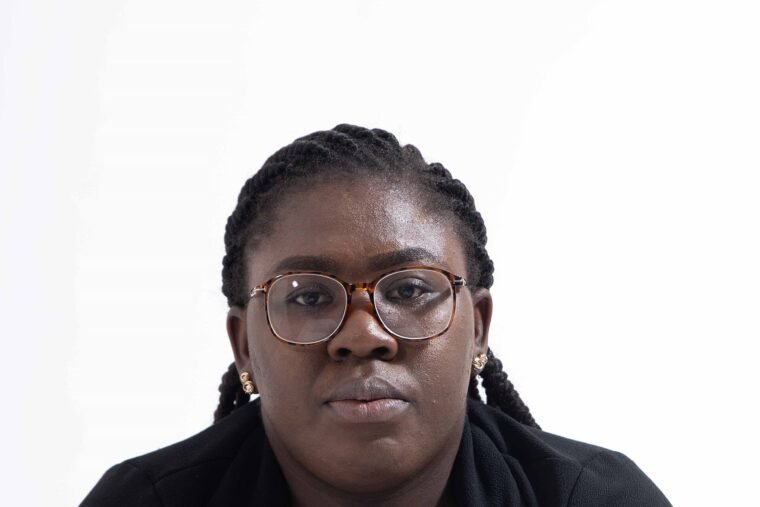
Shola Akinlade built Paystack for Nigerian merchants, then sold it to Stripe
A database trainee at Heineken became the founder of the payments company that Stripe bought in 2020. He has since turned his attention to football and to the next payments product.
Shola Akinlade grew up in Lagos, studied computer science at Babcock University and graduated in 2006. His first job was a trainee role at Heineken, working on database management. After that he worked as a software engineer at several banks, which gave him a close view of how hard it was for ordinary businesses to get paid online.
Paystack
In 2015 he co-founded Paystack with Ezra Olubi. The company joined Y Combinator’s 2016 batch and set out to help African businesses accept payments online and offline. The aim was to make it simple for a business to start taking payments.
In 2020, Stripe, the American payments company, announced it was acquiring Paystack in a deal reported to be worth around 200 million dollars. At the time, Akinlade said the two companies were aligned in mission and values. The deal was widely read as a signal that Stripe saw Africa as a long-term market, and as proof that a Nigerian payments company could attract a major strategic buyer.
After the exit
Paystack continued to operate under its own brand, and Akinlade stayed on. In 2022, Nigeria honoured him with the Officer of the Order of the Niger. He also moved into sport: that year he founded Sporting Lagos F.C., and in March 2023 he acquired a 55 percent stake in the Danish second-division club Aarhus Fremad. The idea is a pipeline, with Sporting Lagos developing young players and the Danish club offering a route into European football.
In late 2024, Paystack released Zap, a mobile app that lets foreigners in Nigeria pay using foreign-issued cards, a small but practical fix to a problem visitors and expatriates run into constantly.
The lesson
Paystack is often cited as a case study in focus. Akinlade and Olubi did not build everything. They built one thing, accepting payments, extremely well, and then let the market come to them. For founders in other sectors, it is a reminder that a narrow product with excellent execution can be worth more than a broad one with average parts.