Juliana Rotich helped build Ushahidi, then made a modem that survives power cuts
The Kenyan technologist co-founded Ushahidi, the crowdsourced crisis-mapping tool born in the 2008 post-election violence, and BRCK, a rugged internet device. She now works on M-Pesa at Safaricom.
“Ushahidi” is the Swahili word for testimony. It is also the name of a tool that began as a way to record what was happening in Kenya in the weeks after the disputed 2007 presidential election. Reports of violence arrived by text message and email, and were plotted on a map so that others could see where help was needed.
Juliana Rotich, who was born in Kenya in 1977 and studied computer science at the University of Missouri–Kansas City, co-founded Ushahidi in 2008. She worked as a database professional in the United States before returning to build software for the continent. She served as the organisation’s executive director from 2011 to 2015.
Software with a second life
Ushahidi’s open-source platform was designed for one crisis, but its logic, collect reports from ordinary people, verify, and map them, travelled. It has since been used in places including Chile, Japan, New Zealand, Australia, Pakistan, Tanzania and Haiti.
A modem for the real world
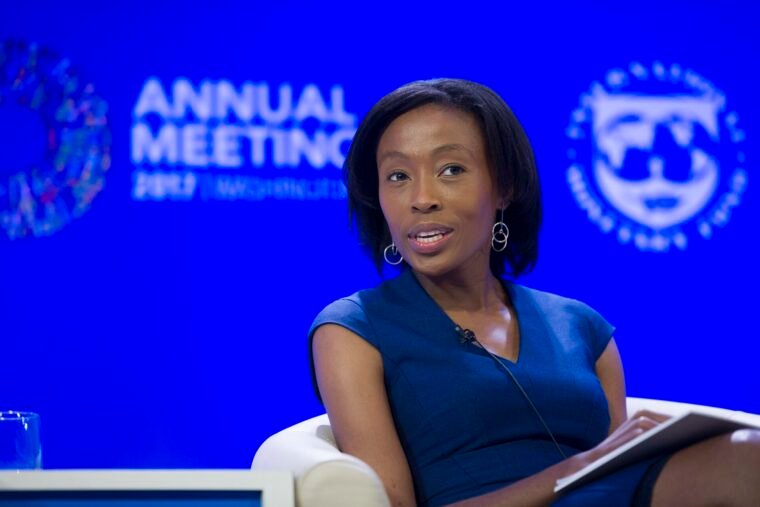
Rotich also co-founded iHub, the Nairobi tech community space, and BRCK. The idea for BRCK came from a daily annoyance that many African developers know well: power cuts that drop the internet connection. The company’s device is a battery-backed modem that keeps running for about eight hours without mains electricity. In 2017 she represented BRCK on a panel at the W20 summit in Berlin alongside Chancellor Angela Merkel and IMF head Christine Lagarde.
Shaping policy and finance
She has served on the United Nations Secretary-General’s Independent Expert Advisory Group on the Data Revolution for Sustainable Development, sits on several boards, and is a member of an advisory committee at the Bill and Melinda Gates Foundation focused on AI ethics and safety. In 2022 Safaricom named her Head of Fintech Integration Solutions, where she oversees financial products built on M-Pesa, the mobile money service that reshaped Kenyan payments.
She was named Schwab Foundation Social Entrepreneur of the Year for Africa in 2011 and is a TED Senior Fellow.
The common thread in her work is infrastructure for people who are already online, but with unreliable power and limited trust in official channels. Tools designed under those constraints tend to be sturdier than ones built for ideal conditions, which is why they travel so well.