Edcon ran Edgars and Jet for decades, with over 1,400 stores. In 2020 it entered business rescue. What changed.
A retail group founded in 1929 grew to ten brands, then carried heavy debt and too much leased floor space as shoppers moved to cheaper imports and online. A business case study.
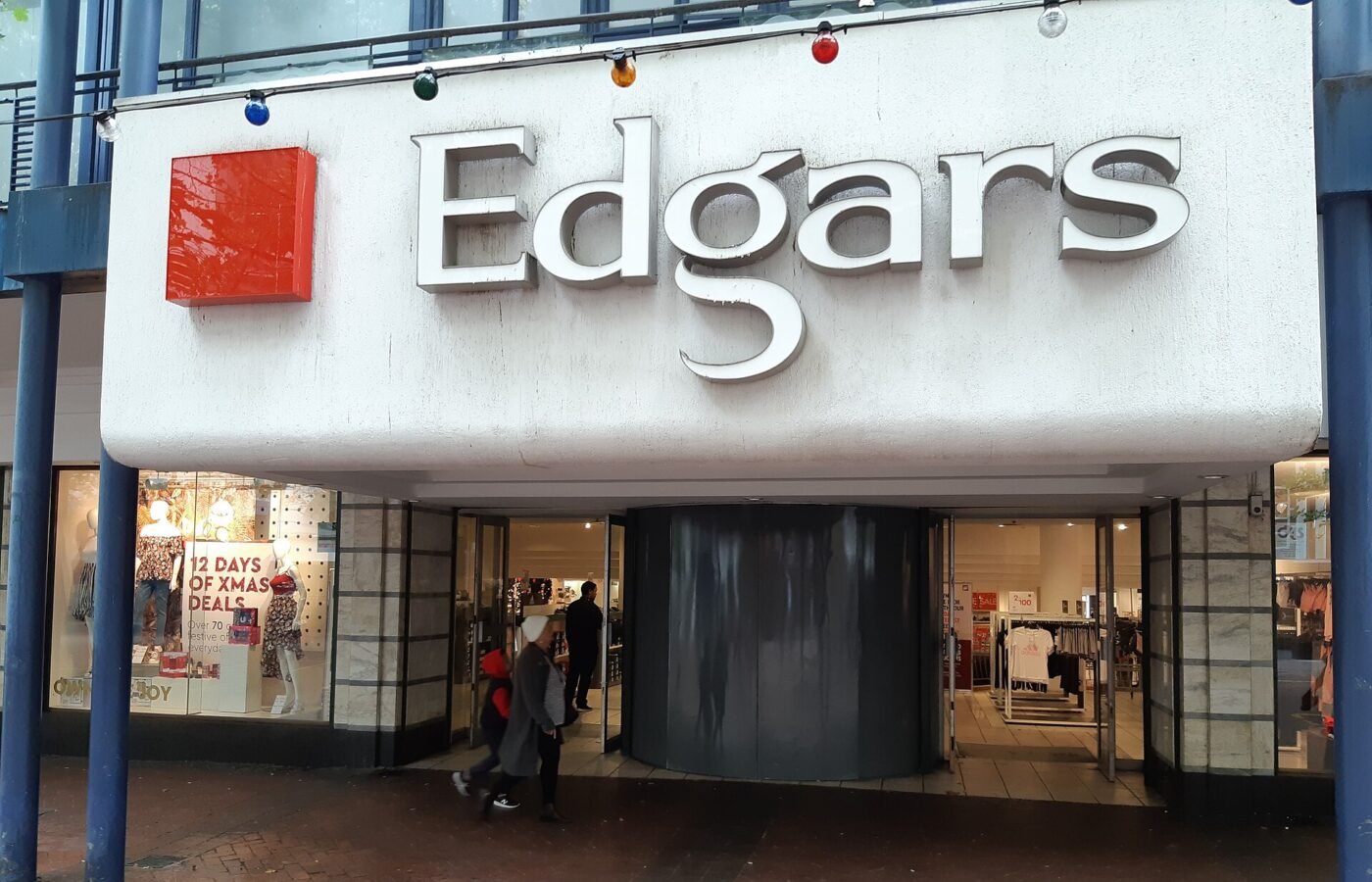
The first Edgars store opened on 6 September 1929 in Joubert Street, Johannesburg. It listed on the Johannesburg Stock Exchange in 1949, and opened its first stores outside South Africa in Botswana, Lesotho and Swaziland (now Eswatini) between 1966 and 1969. By 2014 the Edcon group traded ten retail brands from over 1,400 stores in South Africa, Botswana, Namibia, Eswatini, Lesotho, Ghana, Zimbabwe and Zambia, and served over four million cardholders.
The pressure points
In 2007 Bain Capital completed a private equity deal that delisted the group from the Johannesburg Stock Exchange. Afterwards, the record says, the company had a succession of chief executives, lost significant market share and struggled with too much leased floor space, at a time of cheaper imported clothing and a move to online shopping.
In 2016 net debt reached R24.7 billion, and the company was temporarily taken over by its creditors. By 2018 it had closed 253 stores; by 2017 it had cut net debt to R4.2 billion. In early 2020 the group stopped paying rents during the COVID-19 lockdown and went into business rescue. The Edgars division was sold to Retailability and Jet to The Foschini Group.
Lessons
- Fixed costs are risky when the customer is changing. Leases lock you in while shopping habits move.
- Debt shrinks your options. A large balance sheet burden leaves little room to invest in change.
- Brands can outlive companies. Both Edgars and Jet continue under new owners.