Takealot launched in June 2011. It took 13 years for the main site to turn a profit.
Started in Cape Town by a former MWEB chief executive and an investment firm, Takealot grew into South Africa’s largest online retailer. Patience was part of the plan.
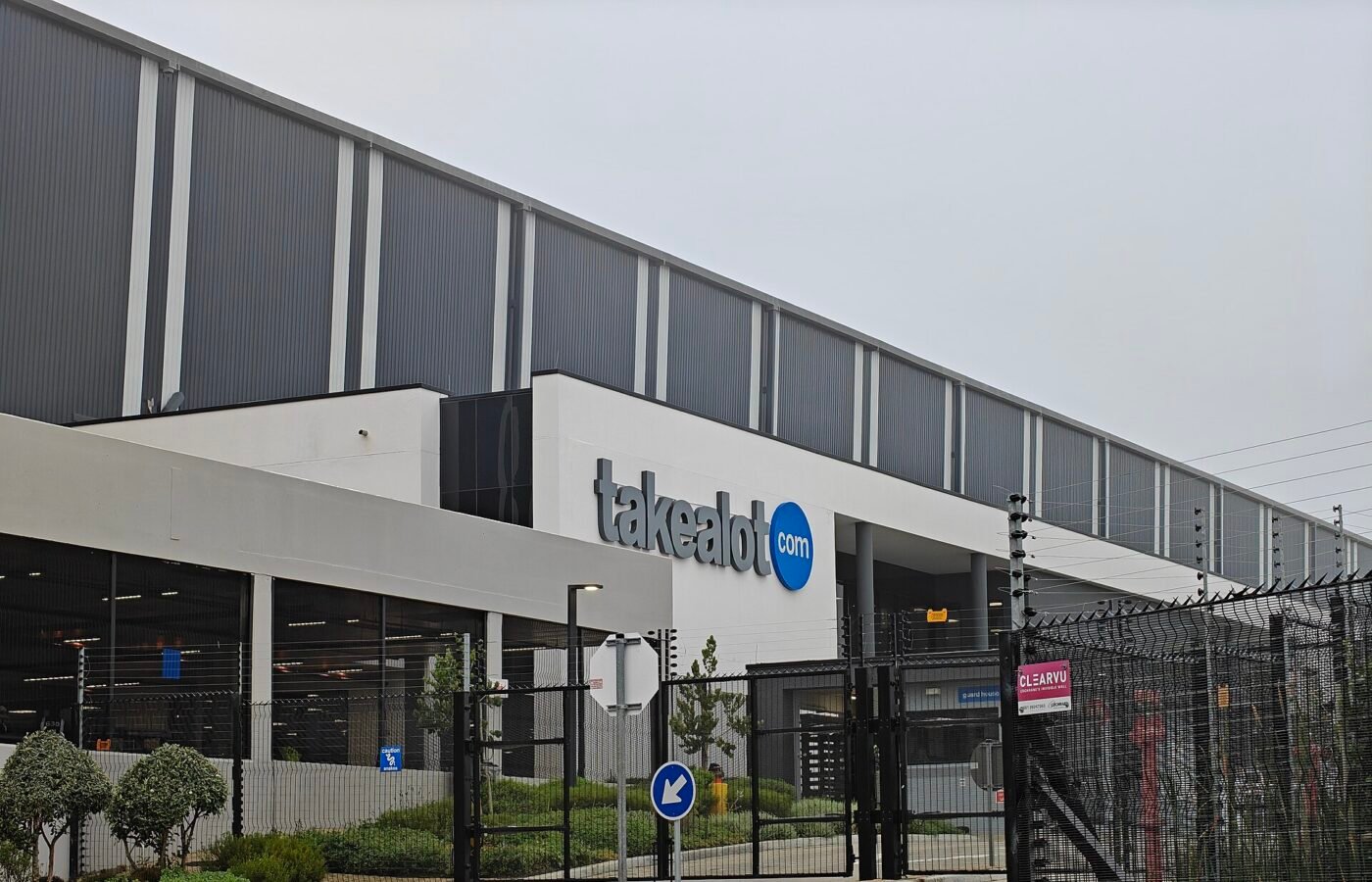
In October 2010, former MWEB chief executive Kim Reid and the US investment firm Tiger Global Management acquired an existing South African e-commerce business, Take2, and renamed it takealot.com. It launched to the public in June 2011.
Merging, buying, building
In 2014 the company launched an on-demand food delivery service after acquiring Mr Delivery, now Mr D, and bought Superbalist, then South Africa’s largest online fashion retailer. It also announced a merger with its major rival Kalahari.com, completed in May 2015, with Naspers taking a 46.5 percent stake for R1.2 billion. By 2018 Naspers owned 96 percent.
The long road to profit
After 13 years, takealot.com reported profitability in 2024, and Mr D was profitable too. The wider group reached full-year earnings before tax profitability in June 2026, for the first time. Along the way it launched a subscription service, TakealotMORE, in May 2024, a business-to-business service in September 2025, and a depot in Ndabeni, Cape Town, set to become the city’s first e-commerce logistics park.
For the 2025 financial year, Naspers reported revenue growth of 17 percent for takealot.com to R12.9 billion. The lesson is about time horizons: building online retail in an emerging market took backers willing to stay for more than a decade.